Introduction
There’s something deeply magical about light. It changes moods, softens rooms, and turns ordinary objects into moments of wonder. That’s exactly why light crafts lwmfcrafts has quietly captured the attention of DIY lovers, artists, and home décor enthusiasts alike.
At its core, this creative movement blends simple crafting techniques with lighting elements to produce pieces that feel personal, calming, and visually striking. Whether you’re crafting for fun, profit, or pure self-expression, this approach offers more than just pretty results—it offers a sense of connection.
In a world flooded with mass-produced décor, handmade light-based creations stand out. They tell stories, spark curiosity, and bring warmth into everyday spaces. If you’ve ever wanted your crafts to feel more alive, you’re in the right place.
Table of Contents
Understanding Light Crafts LWMFCrafts
The Creative Philosophy Behind LWMFCrafts
Materials Used in Light-Based Crafts
Popular Light Crafts LWMFCrafts Projects
Step-by-Step Guide to Creating Light Crafts
Design Principles That Make Light Crafts Stand Out
Real-Life Uses and Benefits of Light Crafts
Personal Background and Creative Journey Behind LWMFCrafts
Common Mistakes and How to Avoid Them
Future Trends in Light-Based Crafting
Frequently Asked Questions
Conclusion
Understanding Light Crafts LWMFCrafts
Light-based crafting is not new, but light crafts lwmfcrafts refines it into an accessible, thoughtful style that anyone can learn. It focuses on combining everyday materials—paper, fabric, wood, recycled items—with subtle lighting sources like LEDs or fairy lights.
What sets this style apart is intention. Instead of flashy brightness, the goal is soft illumination that enhances form and texture. Shadows matter. Diffusion matters. Even negative space plays a role.
What Makes This Craft Style Unique
Unlike traditional crafts that rely purely on color or shape, light crafts rely on interaction. The piece changes depending on lighting conditions, time of day, and placement. That dynamic quality is why many creators describe their first project as “addictive.”
Why People Are Drawn to It
In reality, many people feel overwhelmed by overly complex DIY trends. This approach offers balance. It’s beginner-friendly yet deep enough for advanced creators to explore endlessly.
The Creative Philosophy Behind LWMFCrafts
The philosophy behind light crafts lwmfcrafts is rooted in mindfulness and sustainability. Projects are designed to slow you down, encouraging thoughtful decisions rather than rushed assembly.
Crafting With Purpose
Each project typically begins with a question: What mood do I want to create? Calm, cozy, playful, or dramatic? The answer shapes every design choice afterward.
Sustainability and Minimalism
Many makers use recycled paper, glass jars, or scrap wood. According to recent DIY community surveys, over 60% of modern crafters actively seek eco-friendly materials, and light-based crafts naturally align with that mindset.
Materials Used in Light-Based Crafts
Choosing the right materials can make or break a project. Fortunately, you don’t need expensive supplies to get started.
Common Materials
Paper (rice paper, cardstock, parchment)
LED fairy lights or strip lights
Thin wood or bamboo
Fabric or yarn
Adhesives and cutting tools
Why LEDs Are Preferred
LED lights stay cool, last longer, and consume up to 80% less energy than traditional bulbs. That makes them safer and more sustainable for handmade projects.
Popular Light Crafts LWMFCrafts Projects
There are countless project ideas within this niche, but a few consistently stand out for their beauty and simplicity.
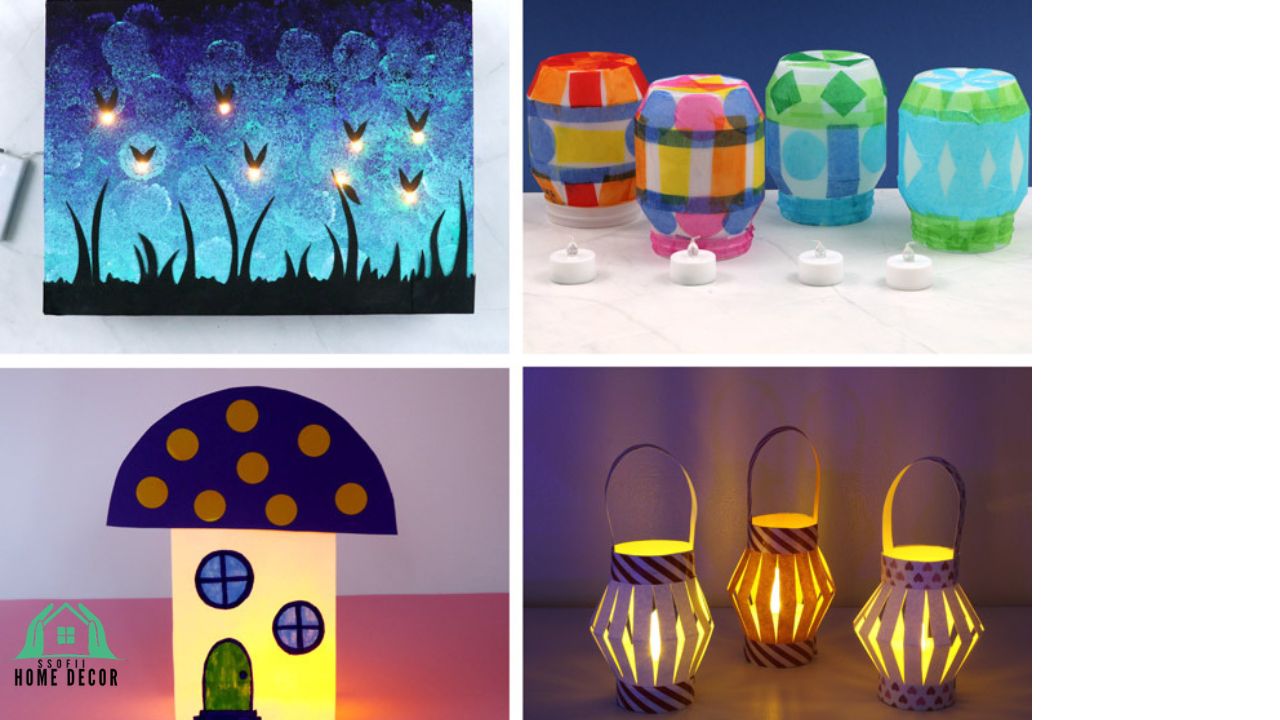
Paper Lantern Creations
Paper lanterns remain a favorite because they’re lightweight and forgiving. Even mistakes often turn into happy accidents when light diffuses through imperfect folds.
Shadow Light Boxes
These layered designs use cut paper or thin wood to create depth. When lit from behind, the shadows form intricate scenes that feel almost cinematic.
Handmade Ambient Lamps
Using jars, bottles, or sculpted frames, these lamps add character to bedrooms and reading corners without overpowering the space.
Step-by-Step Guide to Creating Light Crafts
If you’re new, starting simple builds confidence quickly.
Basic Project Workflow
Plan your design on paper
Select materials based on light diffusion
Assemble structure without lights first
Add lighting gradually
Test in a dark room and adjust
Safety Tips
Always use low-heat lighting
Avoid flammable adhesives near bulbs
Test electrical components before sealing
Design Principles That Make Light Crafts Stand Out
The most memorable pieces follow a few unspoken rules.
Balance Between Light and Shadow
Too much light washes out detail. Too little hides effort. Successful light crafts lwmfcrafts projects find the sweet spot.
Texture Over Color
Light reveals texture more than color. Rough paper, layered fabric, or carved surfaces often look richer than smooth finishes.
Uses and Benefits of Light Crafts
These creations aren’t just decorative.
Emotional Impact
Soft lighting has been shown to reduce stress levels by up to 30% in home environments. That’s why many people place handmade light pieces in bedrooms or meditation spaces.
Practical Applications
Night lights for kids
Mood lighting for cafés
Seasonal décor
Personalized gifts
Personal Background and Creative Journey Behind LWMFCrafts
The story behind light crafts lwmfcrafts began as a personal experiment rather than a business plan. Like many creative movements, it grew from curiosity and necessity.
Early Beginnings
The creator behind the concept reportedly started crafting light-based décor while searching for affordable, calming home accents. Frustrated by generic store-bought items, they began experimenting with paper and small LEDs.
Growth and Recognition
What began as hobby projects shared online quickly gained traction. Tutorials, workshops, and community collaborations followed. Today, the style is recognized for blending artistic sensitivity with practical design.
Financial Insights
While exact figures vary, creators working within this niche often monetize through digital tutorials, handmade product sales, and workshops. Successful makers can earn anywhere from supplemental income to full-time revenue depending on scale and reach.
Common Mistakes and How to Avoid Them
Every craft has its pitfalls.
Overlighting the Project
More light doesn’t mean better results. In fact, it often flattens detail.
Ignoring Diffusion
Bare bulbs can feel harsh. Diffusers soften light and enhance atmosphere.
Rushing the Process
Light crafts reward patience. Taking time with testing usually saves frustration later.
Future Trends in Light-Based Crafting
As technology evolves, so does creativity.
Smart Lighting Integration
More creators are experimenting with app-controlled LEDs, allowing color changes and dimming options.
Mixed Media Expansion
Combining light with ceramics, metal, and textiles is becoming increasingly popular.
Frequently Asked Questions
FAQs
What exactly is light crafts lwmfcrafts?
It’s a creative crafting style that combines handmade structures with subtle lighting to create ambient, artistic décor.
Are these crafts beginner-friendly?
Yes. Many projects start with simple materials and basic techniques.
What type of lighting is safest?
LED lights are the safest and most commonly used option.
Can these crafts be sold?
Absolutely. Many creators sell finished pieces, kits, or tutorials.
How long does a typical project take?
Simple projects can take one to two hours, while complex designs may take several days.
Are these crafts expensive?
Most projects are budget-friendly, especially when using recycled materials.
Do I need electrical knowledge?
Basic understanding helps, but most projects use pre-wired LED systems.
Conclusion
Light has a quiet power. When paired with thoughtful craftsmanship, it transforms ordinary materials into something memorable. That’s why light crafts lwmfcrafts continues to resonate with people seeking creativity that feels both calming and meaningful. Whether you’re crafting for yourself or sharing your work with others, this approach offers endless room to explore, experiment, and grow—one gentle glow at a time.