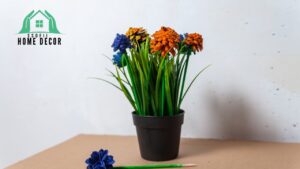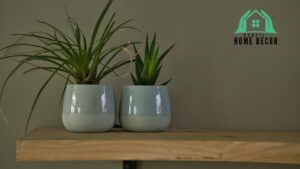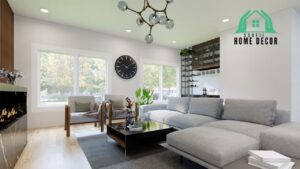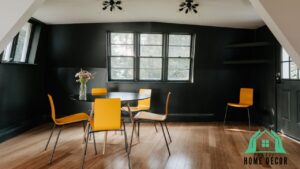
When you walk into a space that instantly feels warm, stylish, and inviting, something powerful is happening. Thoughtful home Decor has the ability to shape emotions, boost comfort, and reflect personality in ways words simply can’t. A well-decorated room doesn’t just look good — it feels like it belongs to you.
People often assume decorating is about expensive furniture or trendy colors. In reality, it’s about intention. From lighting choices to textures, every small decision influences how a room functions and how it makes you feel daily.

In this complete guide, you’ll discover how to design spaces that look beautiful and work for real life. Whether you want a dramatic transformation or simple upgrades, understanding the principles behind good design will change how you see every room in your home.
Table of Contents
Understanding the Power of home Decor
Core Principles of Beautiful home Decor
Popular home Decor Styles Explained
Room-by-Room Decorating Strategies
Budget-Friendly and DIY Decorating Ideas
Common Decorating Mistakes to Avoid
Seasonal and Trend-Based Styling Tips
FAQ
Conclusion
Understanding the Power of home Decor
At its core, decorating is both functional design and emotional storytelling. It blends aesthetics, psychology, and practical living. The colors you choose influence mood. Lighting affects productivity. Furniture layout changes how people interact.
What Is home Decor?
Simply put, it’s the art and science of enhancing interior spaces to make them more functional, attractive, and comfortable. It includes:
- Furniture arrangement
- Color schemes
- Lighting design
- Textiles and materials
- Wall treatments
- Decorative accents
However, good design goes deeper than appearance. Research in environmental psychology shows that well-designed spaces can reduce stress levels and improve focus. Natural light alone has been linked to improved sleep cycles and emotional well-being.
Why It Matters More Than You Think
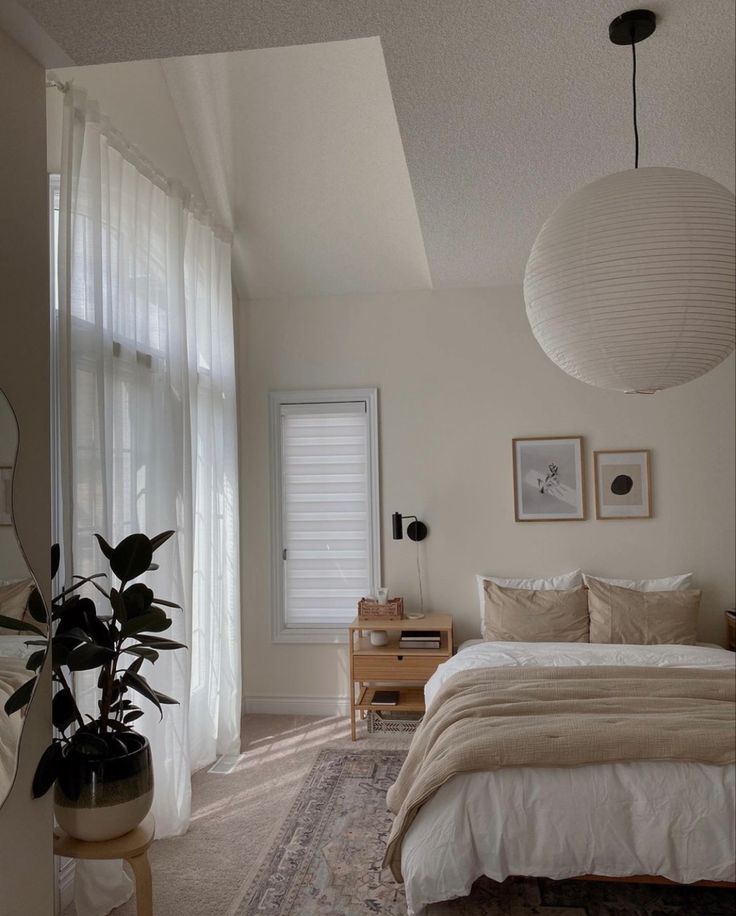
A thoughtfully styled environment can:
- Increase comfort and relaxation
- Improve productivity at home
- Reflect identity and lifestyle
- Enhance property value
- Create emotional connection to space
In reality, decorating is not luxury — it’s quality of life design.
Core Principles of Beautiful home Decor
Professional designers rarely rely on instinct alone. They use guiding principles that consistently create harmony and visual balance.
Balance and Proportion
Every room needs visual equilibrium. This can be achieved through:
- Symmetrical layouts (formal, structured)
- Asymmetrical arrangements (dynamic, modern)
- Proper furniture scaling
A tiny coffee table in a large living room creates imbalance. Likewise, oversized furniture overwhelms small spaces.
Color Psychology and Mood

Colors influence perception more than most people realize.
| Color | Emotional Effect | Best Use |
|---|---|---|
| Blue | Calm and focused | Bedrooms, offices |
| Green | Relaxing and natural | Living areas |
| Yellow | Energetic and cheerful | Kitchens |
| Neutral tones | Elegant and versatile | Anywhere |
A strategic palette creates cohesion throughout the home.
Texture and Layering
Flat design feels lifeless. Mixing materials adds dimension:
- Soft textiles
- Natural wood
- Metallic accents
- Glass elements
Layering textures is what makes rooms feel “finished.”
Lighting as a Design Tool
Lighting is often the most underestimated element in home Decor. Experts typically use three layers:
- Ambient lighting (general illumination)
- Task lighting (functional focus)
- Accent lighting (visual drama)
Together, they shape atmosphere and usability.
Popular home Decor Styles Explained
Choosing a style gives direction and prevents design confusion. Below are the most influential aesthetics shaping modern interiors.

Minimalist Style
“Less but better” defines minimalism.
Key features:
- Clean lines
- Neutral palette
- Functional furniture
- Open space
Best for: clarity, calm environments, small spaces.
Bohemian Style
Expressive and artistic, this style embraces personality.
Key features:
- Bold patterns
- Layered textiles
- Plants and natural elements
- Global influences
Best for: creativity and relaxed living.
Scandinavian Style
A balance of comfort and simplicity.
Key features:
- Light wood tones
- Soft lighting
- Functional beauty
- Cozy textures
Best for: warm yet uncluttered homes.
Industrial Style
Inspired by urban architecture.
Key features:
- Exposed brick
- Metal fixtures
- Raw textures
- Neutral tones
Best for: modern, edgy aesthetics.
Room-by-Room Decorating Strategies

Different rooms serve different purposes. Each requires unique design priorities.
Living Room Styling
This is the social heart of the home.
Focus on:
- Seating arrangement flow
- Focal point (TV, fireplace, artwork)
- Balanced lighting
- Comfortable textiles
A good rule: design conversation zones, not just furniture placement.
Bedroom Design for Restful Sleep
Sleep quality depends heavily on environment.
Best practices:
- Soft lighting
- Calming colors
- Minimal clutter
- Quality bedding
Experts recommend avoiding overly stimulating décor near sleep areas.
Kitchen and Dining Spaces
Function must meet aesthetics.
Important elements:
- Efficient layout
- Easy-to-clean surfaces
- Warm lighting
- Comfortable seating
Open shelving can visually expand space but requires neat organization.
Small Space Optimization
Limited space demands creative thinking.
Smart solutions:
- Multi-functional furniture
- Vertical storage
- Light color palettes
- Mirrors for visual expansion
Strategic planning transforms even tiny homes into stylish, efficient spaces.
Budget-Friendly and DIY Decorating Ideas

Beautiful interiors don’t require luxury budgets. Creativity often produces more personal results than expensive purchases.
Affordable Transformations
Small upgrades with big impact:
- Change throw pillows
- Update lighting fixtures
- Rearrange furniture layout
- Add indoor plants
- Refresh wall art
These adjustments dramatically alter perception.
DIY Projects That Add Character
Hands-on projects make spaces unique.
Popular options:
- Handmade wall art
- Painted furniture makeovers
- Floating shelves
- Decorative mirrors
- Textile upgrades
People who personalize their environments report stronger emotional attachment to their homes.
Thrifting and Upcycling
Second-hand pieces often have craftsmanship rarely found today. With minor restoration, they become statement features.
That said, successful decorating isn’t about spending more — it’s about choosing wisely.
Common Decorating Mistakes to Avoid
Even enthusiastic decorators make errors that disrupt visual harmony.
Overcrowding the Space
More items do not equal better design. Negative space is essential.
Ignoring Lighting Layers
One overhead light creates flat, harsh environments.
Matching Everything Perfectly
Rooms feel staged rather than lived in. Variety creates authenticity.
Choosing Style Over Comfort
A beautiful chair that nobody wants to sit in fails its purpose.
Professional interior designers emphasize function first, aesthetics second.
Seasonal and Trend-Based Styling Tips
Design evolves with time, mood, and climate. Refreshing interiors seasonally keeps environments dynamic.
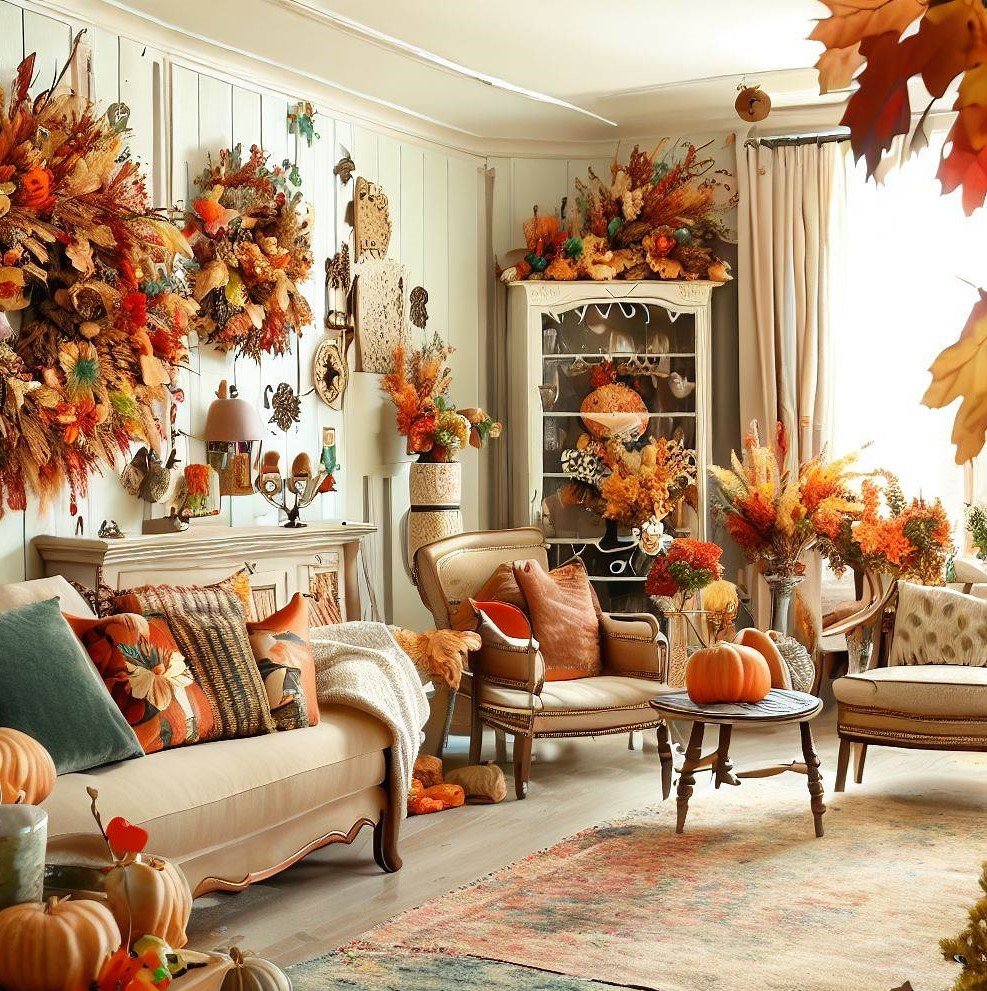
Spring and Summer Updates
- Lighter fabrics
- Fresh greenery
- Bright color accents
- Increased natural light
Autumn and Winter Warmth
- Rich textures
- Warm lighting
- Cozy layers
- Deeper color palettes
Trends change, but comfort and personal meaning remain timeless.
Creating a Cohesive Interior Identity
Consistency across rooms builds visual flow. Without it, homes feel disconnected.
Ways to create cohesion:
- Repeat color themes
- Maintain material continuity
- Use consistent lighting tone
- Align furniture scale
A unified design language is what separates professional interiors from random styling.
How Technology Is Changing home Decor
Modern innovation is reshaping design faster than ever.
Smart Lighting Systems
Adjust brightness, warmth, and color automatically.
Virtual Room Planning Tools
Preview furniture placement before purchasing.
Sustainable Materials
Eco-friendly design is now a major priority globally.
Consumers increasingly choose environmentally responsible materials and energy-efficient lighting.
Emotional Design: Decorating for Well-Being
Design is deeply psychological.
Environments influence:
- Stress response
- Cognitive performance
- Emotional regulation
Natural elements — wood, plants, sunlight — consistently improve mood. This design approach is often called biophilic design.
Creating nurturing spaces is the future of home Decor.
Styling Accessories Like a Professional
Accessories complete the visual story of a room.
The Rule of Three
Odd-number groupings feel more natural and dynamic.
Layered Heights
Combine tall, medium, and low elements for visual interest.
Statement Pieces
One bold item creates focus and personality.
Decorative accents should enhance, not overwhelm.
Choosing Furniture That Lasts
Furniture is long-term investment design.
Key evaluation factors:
- Ergonomic comfort
- Material durability
- Proportional scale
- Timeless aesthetic
Well-chosen pieces remain relevant even as trends evolve.
Personal Expression Through home Decor
Ultimately, decorating is identity in physical form. Your environment communicates values, experiences, and memories.
Photos, travel souvenirs, artwork, and heirlooms transform houses into homes. This emotional layer is what makes home Decor deeply personal rather than purely visual.
Maintaining and Updating Your Space Over Time
Design is never truly finished. Life changes, and spaces should evolve accordingly.
Practical maintenance strategies:
- Seasonal decluttering
- Periodic lighting updates
- Textile refreshes
- Furniture repositioning
Even subtle adjustments keep interiors feeling alive and responsive.
FAQ
What is the most important element in home Decor?
Balance between functionality and aesthetics. A beautiful space that doesn’t serve daily needs is incomplete.
How often should I update my home Decor?
Minor updates seasonally, major changes every few years depending on lifestyle changes.
Can small homes still look luxurious?
Yes. Strategic lighting, minimal clutter, and cohesive color palettes create upscale perception even in limited spaces.
What colors make rooms look bigger?
Light neutrals, soft pastels, and cool tones visually expand space.
How do I choose a decorating style?
Assess lifestyle, comfort preferences, and emotional response to design inspiration.
Is professional interior design necessary?
Not always. Understanding core principles allows many homeowners to achieve excellent results independently.
What makes a room feel cozy?
Layered lighting, soft textures, warm colors, and personal objects.
How can I decorate sustainably?
Choose durable materials, repurpose furniture, and prioritize energy-efficient lighting.
Conclusion
Designing meaningful spaces is a process of observation, creativity, and intention. Every decision — from lighting placement to texture selection — shapes how you live and feel inside your home. Trends may evolve, styles may shift, and preferences may change, but the goal remains constant: creating environments that support comfort, expression, and everyday living.
When approached thoughtfully, decorating becomes more than visual improvement. It becomes a form of personal storytelling — one that grows with you over time and transforms ordinary spaces into deeply lived experiences.