
Introduction
Some phrases never fade. They echo across decades, memes, and conversations—sometimes becoming bigger than the shows that created them. If you’ve ever heard someone say “Wait… what?” with comic disbelief, you’ve experienced the modern spirit of what you talkin bout willis—a line that transformed from a sitcom joke into a global cultural shorthand for confusion.
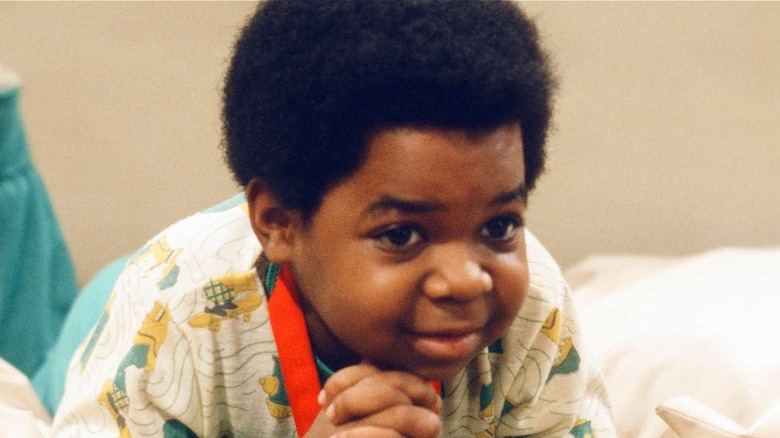
The phrase what you talkin bout willis isn’t just a nostalgic callback to 1980s television. It’s a linguistic time capsule—proof that humor, timing, and personality can immortalize a single line of dialogue. Whether you grew up watching classic American sitcoms or discovered the phrase through internet memes, its influence is undeniable.
Today, this iconic expression continues to shape pop culture, digital humor, and everyday speech. Understanding its origin isn’t just fun—it reveals how entertainment molds language, identity, and shared cultural memory.

Table of Contents
What Does What You Talkin Bout Willis Mean?
The Origin of What You Talkin Bout Willis in Television History
Cultural Impact and Global Popularity
Personal Background of the Star Behind the Phrase
Why the Phrase Still Matters in Modern Communication
Linguistic and Psychological Power of Catchphrases
What You Talkin Bout Willis in Internet Culture
Frequently Asked Questions
Conclusion
What Does What You Talkin Bout Willis Mean?

At its core, what you talkin bout willis expresses disbelief, confusion, or playful skepticism. It’s the comedic equivalent of raising an eyebrow.
Simple Definition
A humorous way to question something surprising, strange, or hard to believe.
Emotional Tone
The phrase typically conveys:
- Mild shock
- Confusion
- Suspicion
- Playful teasing
- Comic exaggeration
Real-Life Example
Friend: “I finished a 1,000-page book in one night.”
You: “What you talkin bout willis?”
The humor lies in exaggerating disbelief. Instead of simply asking for clarification, the phrase dramatizes your reaction—making the moment memorable and funny.
Why People Love Using It
Humans naturally respond to surprise with emotional expression. This phrase packages that reaction into a recognizable cultural reference. It turns confusion into entertainment.
The Origin of What You Talkin Bout Willis in Television History
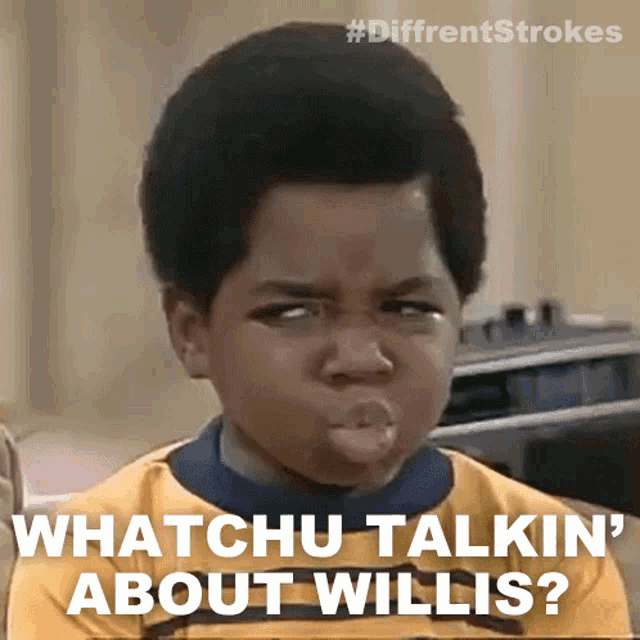
The phrase became famous through the sitcom Diff’rent Strokes, one of the most recognizable family comedies of the late 20th century.
Where It All Began
In the show, young Arnold Jackson often responded to confusing situations by questioning his older brother Willis Jackson.
But it wasn’t just the words—it was the delivery:
- Wide-eyed expression
- Suspicious tone
- Perfect comedic timing
That combination turned a simple question into television history.
Why It Became Iconic
Many sitcom lines are funny. Few become universal language. This one succeeded because:
- Repetition – The phrase appeared frequently on the show.
- Distinct performance – The delivery was instantly recognizable.
- Relatable emotion – Everyone experiences confusion.
- Simple wording – Easy to remember and repeat.
The Power of Performance
The actor’s comedic instincts transformed a script line into a cultural phenomenon. Timing, expression, and voice created emotional resonance that audiences never forgot.
Cultural Impact and Global Popularity of What You Talkin Bout Willis
Once television syndication expanded worldwide, the phrase spread far beyond its original audience. By the late 1980s and 1990s, it had become a universal comedic reference.
How It Spread Across Generations
- TV reruns introduced it to new viewers
- Comedians referenced it in stand-up routines
- Advertisements borrowed the phrase
- Internet memes revived it decades later
Where You’ll Hear It Today
- Social media captions
- Reaction GIFs
- Casual conversation
- Comedy sketches
- Nostalgia merchandise
The phrase functions almost like a cultural emoji—instantly conveying disbelief with humor.
Influence on Entertainment
Writers and performers often reference classic catchphrases to evoke nostalgia. The continued use of what you talkin bout willis shows how entertainment language can become permanently embedded in culture.
Personal Background of the Star Behind the Phrase

No discussion would be complete without the performer who made the line legendary: Gary Coleman.
Early Life
Born in 1968, Coleman faced significant health challenges from a young age. Chronic kidney disease affected his growth, giving him a childlike appearance even into adulthood.
Ironically, this physical trait helped him land the role that made him famous.
Breakthrough Career
Coleman became one of the highest-paid child actors of his time. His role as Arnold turned him into a household name across America.
Major Achievements
- Multiple television awards and nominations
- International fame at a young age
- One of the most recognizable faces of 1980s television
Financial Challenges and Net Worth
Despite massive early earnings, Coleman faced legal and financial struggles later in life. Mismanagement of childhood income led to prolonged financial disputes.
Estimated net worth at various points fluctuated dramatically, and by the time of his death in 2010, reports suggested modest remaining assets compared to his peak earnings.
His story remains one of Hollywood’s most discussed examples of child-star financial vulnerability.
Cultural Legacy
Even decades later, Coleman’s performance continues to shape comedic expression worldwide. Few actors leave behind a single line so powerful that it becomes everyday language.
Why the Phrase Still Matters in Modern Communication
Language evolves constantly. Most slang disappears quickly. Yet what you talkin bout willis remains relevant.
Emotional Efficiency
The phrase communicates multiple feelings at once:
- Surprise
- Humor
- Doubt
- Familiarity
One sentence replaces an entire reaction.
Social Bonding
Shared cultural references strengthen social connection. When someone uses the phrase, listeners instantly recognize the comedic intent.
Nostalgia Psychology
Research shows nostalgia triggers positive emotional responses. Hearing familiar phrases from childhood media can create comfort and connection.
Linguistic and Psychological Power of Catchphrases

Catchphrases work because they combine rhythm, emotion, and identity.
Key Characteristics of Memorable Catchphrases
| Feature | Why It Works |
|---|---|
| Short structure | Easy recall |
| Emotional expression | Strong engagement |
| Repetition | Memory reinforcement |
| Unique delivery | Distinct identity |
Brain Processing Advantage
The human brain stores rhythmic language more efficiently. Repeated comedic phrases become cognitive shortcuts—retrieved instantly without effort.
What You Talkin Bout Willis in Internet Culture
Digital media gave the phrase a second life.
Meme Culture Revival
Reaction images featuring shocked expressions often use captions referencing the phrase. It’s especially common when reacting to outrageous claims.
Social Media Humor
Users deploy the phrase to:
- Question fake news
- React to surprising posts
- Mock exaggerated statements
Cross-Generational Appeal
Younger audiences who never watched the original show still recognize the phrase through memes, parody videos, and pop culture references.

Timeline: Evolution of a Catchphrase
| Era | Cultural Role |
|---|---|
| Late 1970s | Sitcom humor |
| 1980s | Household phrase |
| 1990s | Comedy reference |
| 2000s | Nostalgia symbol |
| 2010s | Internet meme |
| 2020s | Evergreen cultural expression |

Frequently Asked Questions
What is the meaning of what you talkin bout willis?
It’s a humorous way to express confusion or disbelief, usually delivered playfully rather than seriously.
Who originally said what you talkin bout willis?
The phrase became famous through Arnold’s character in the sitcom Diff’rent Strokes.
Is the phrase still popular today?
Yes. It remains widely used in memes, conversations, and nostalgic references.
Why did the phrase become so famous?
Its success came from repeated use, memorable delivery, and universal emotional relatability.
Can younger generations understand the reference?
Absolutely. Internet culture has preserved and spread the phrase beyond its original audience.
Is the phrase considered slang?
It functions more like a cultural idiom—recognizable across generations and contexts.
Did the actor invent the phrase?
It was written into scripts, but performance made it iconic.
Why do catchphrases from TV last so long?
They combine emotion, repetition, and cultural identity—making them easy to remember and reuse.
Conclusion
Few television lines transcend their original context to become part of everyday language. What you talkin bout willis did exactly that—transforming from a sitcom joke into a cultural symbol of disbelief, humor, and shared nostalgia. Its longevity proves that language shaped by emotion and performance can outlive generations. More than just a quote, it’s a reminder of how entertainment leaves permanent imprints on the way we communicate, react, and connect with one another.